We weren't looking for Booth's Grocery.
We were on our way to Rutherford Beach when an old building caught our eye. A pickup truck sat parked outside a store that looked as though it hadn't welcomed customers in years.
Curiosity has a way of changing plans. We pulled over.
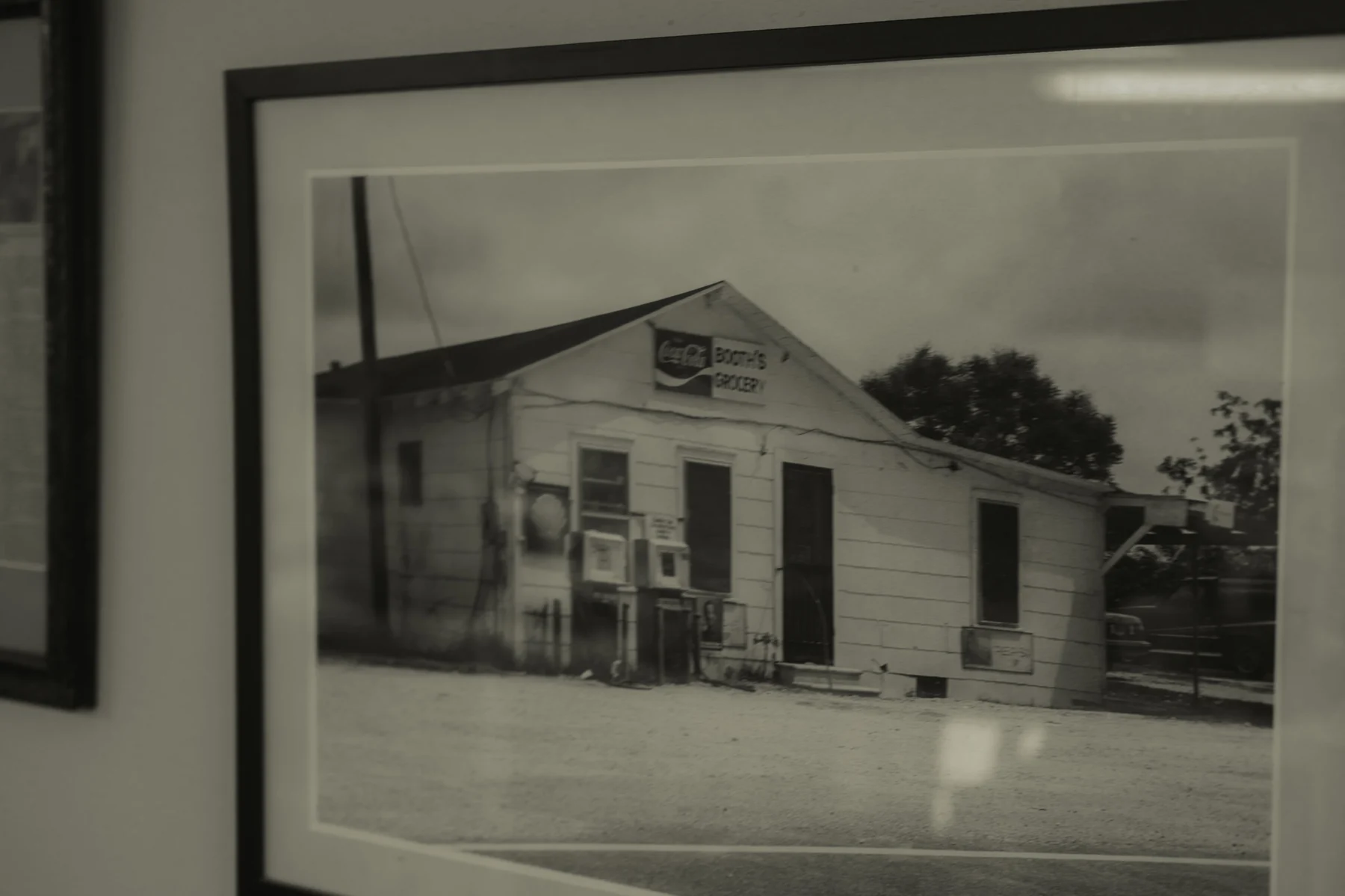
The front door wasn't open because the store had reopened. It was open because someone was inside moving old belongings from one room to another. By chance, that someone was the son of the family who spent decades behind the counter of one of Cameron Parish's most beloved country stores.
He welcomed us inside. As he moved through the building, he shared stories while we quietly photographed what remained.
For generations, Booth's Grocery was far more than a place to buy milk or bread. It was where hunters stopped before heading into the marsh. Fishermen picked up ice and bait before sunrise. Neighbors gathered over coffee. News spread from one end of Grand Chenier to the other across its worn floors.
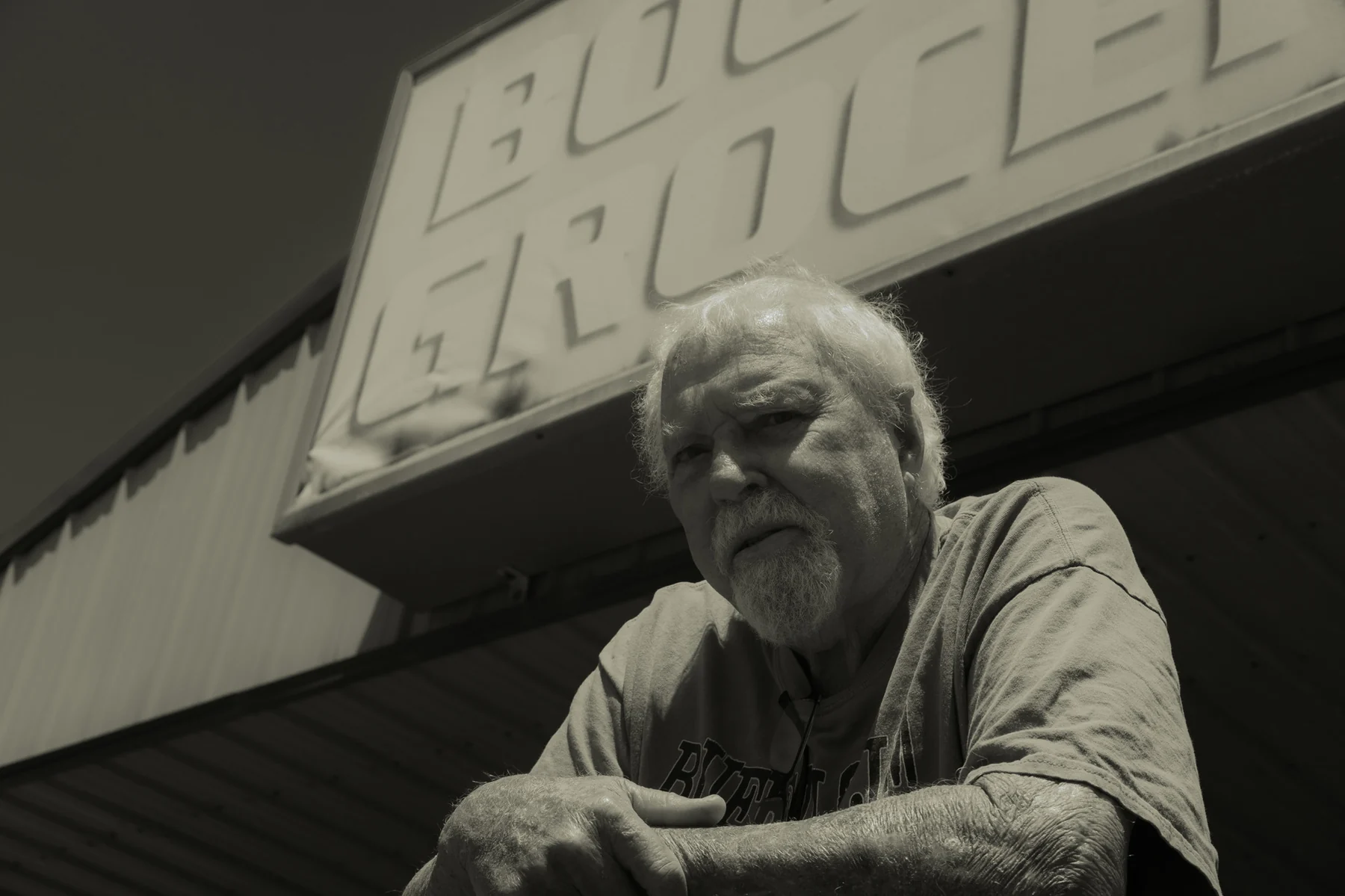
The key still turns
Years after the store closed, the son happened to be there, moving stored things around. The timing felt less like an appointment and more like being allowed through a door that usually stays shut.
Years ago, Booth's unexpectedly became known beyond Cameron Parish through the viral “Cajun OnStar” video, where directions to the store included the unforgettable “comma to da top” line. People laughed. Locals smiled. But behind the joke was a place that had been quietly serving South Louisiana long before the internet ever found it.
The Booth family eventually made the difficult decision to close the store. Changing times, fewer year-round residents, and the loss of T-Mae marked the end of an era.
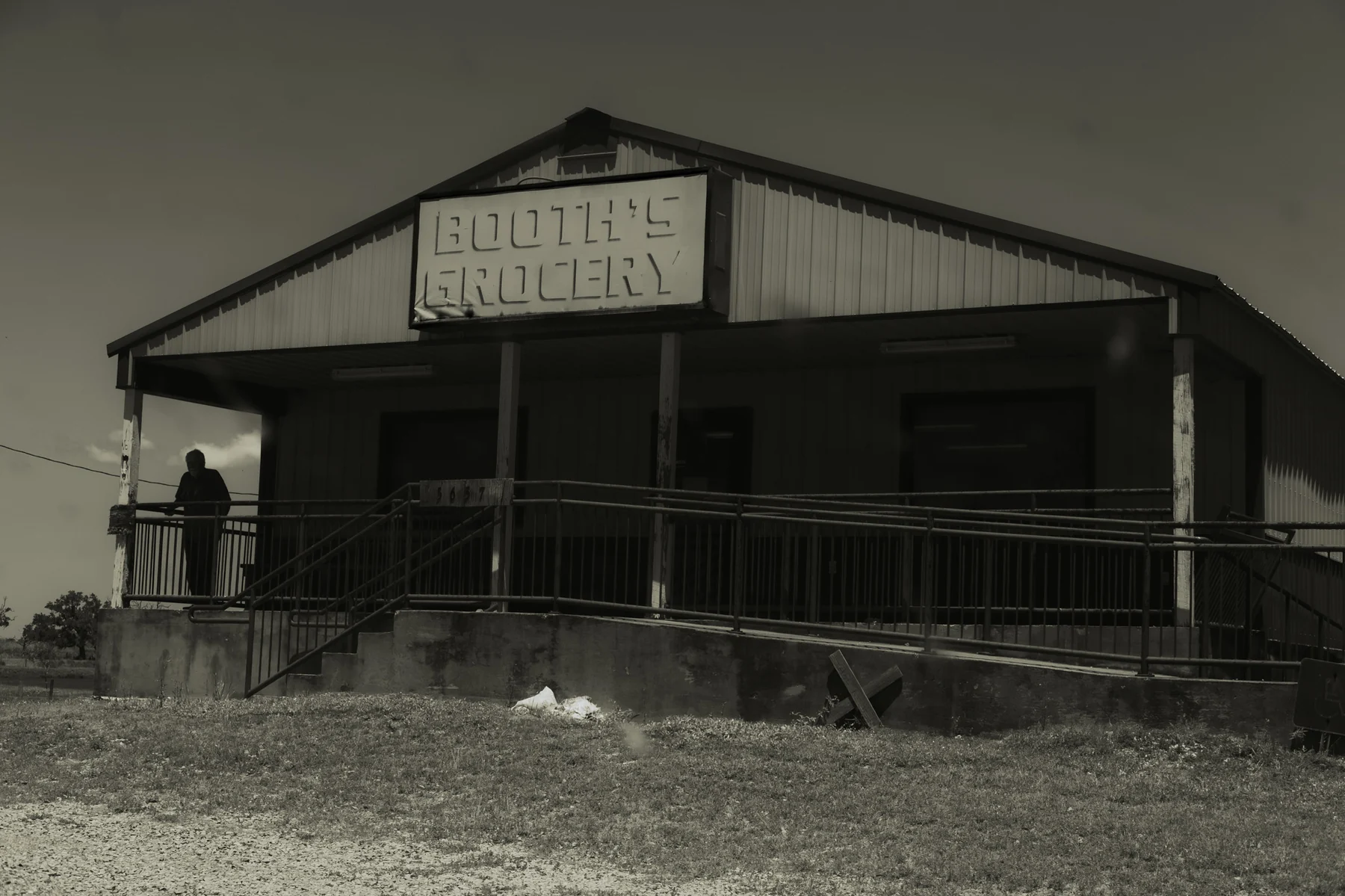
Yet standing inside the building, it didn't feel abandoned. It felt remembered.
Sometimes preserving history doesn't require discovering something forgotten. Sometimes it simply means stopping when you see a truck parked where you didn't expect one.
If we hadn't pulled over that afternoon on the way to Rutherford Beach, this conversation—and these photographs—would never have happened.
And that's exactly what Parish and Plate hopes to preserve. Not just the places. The stories worth keeping.